

Mālia Helelā
by Sharonne Gracia
I experience heaven on earth through the Lomilomi care of Mālia Helelā. As I gently settle into stillness with her nurturing touch, I feel the bliss of exquisite Hawaiian chanting and singing washing over me. This level of presence, professionalism, and care comes from Mālia’s decades of training and experience.
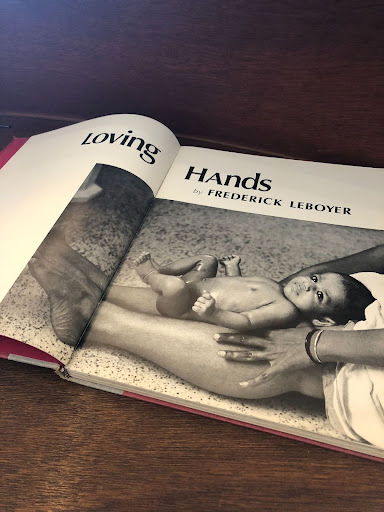
Mālia cannot recall a time when in her life when she was not receiving Lomilomi from from her mother Mary or giving massages to beloved family members. She acquired her first massage book around age 10, on one of the many trips to her family’s favorite used book store in Kailua. Her father always allowed her to choose a book, and this black and white photo essay of infant massage in India caught her eye on the way to the Nancy Drew section. “After flipping through the pages on several occasions, I finally decided to take it home. The photographs and the poetic nature of the text touched me deeply,” Mālia recalls.
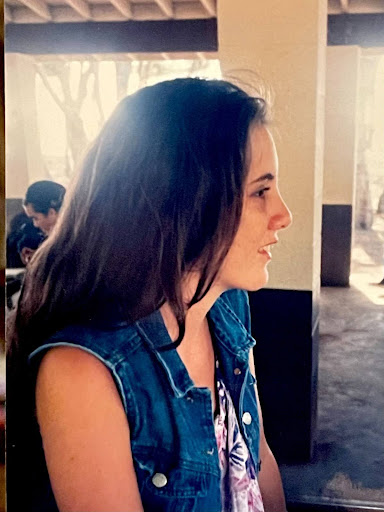
By age 16, Mālia attended a Lomilomi conference at Kamehameha Schools that featured lomi masters such as Aunty Margaret Machado and Papa Kalua. At 17, she wrote her first massage manual for an English assignment. She went to massage school at 18 and graduated at 19. She was licensed at age 20 and started her own business called Nanea Bodyworks. “Everything unfolded naturally, which reassured me that I was on the right path,” she remembers.
Unlike most students who complete their required apprenticeship hours in school, Mālia was invited by Lomilomi practitioner Karen Lei to apprentice in her private practice.
Karen required Mālia to massage 100 different people as proof that she was serious about training. After completing that initial step, she could then start working on her first 1,000 bodies in preparation for her eventual goal of 10,000 bodies. This milestone, said her teacher Karen, would mark the first phase of her learning as a true master’s study.
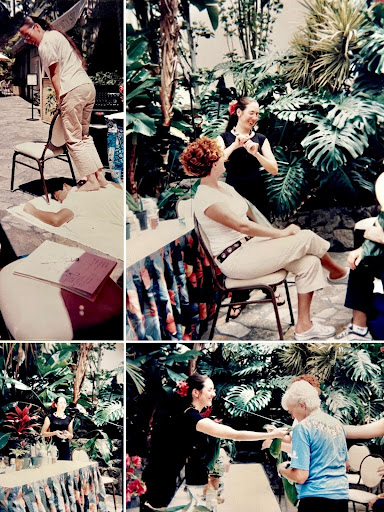
Mālia’s kumu hula graduation was a natural extension of her healing journey, since hula and lomilomi share roots in Hawaiian tradition and the natural environment. Around the same time, Mālia also earned her Esthetician’s license in 2002, expanding her understanding of care for the body in a different modality. Soon after, she began working at Serenity Spa at the Outrigger Reef on the Beach in Waikīkī. There, Mālia developed and led an educational series called Kawehewehe Aloha, where she shared elements of Hawaiian healing such as Lomilomi, native Hawaiian plants and medicine, and history.
With a high turnover of visitors seeking to experience Hawaiian Lomilomi, Mālia estimates that she worked on about 10,000 people over the course of a decade.
During this time, she fielded the question “What is Lomi and how is it different?” Many years later, that answer served as the foundation for her Lomilomi trainings.So what is Lomilomi? Mālia teaches that Hawaiian practices draw their source from the natural environment. Hula is an embodied expression of movement in nature. Lomilomi is the same, with roots in the unique qualities of our island home.
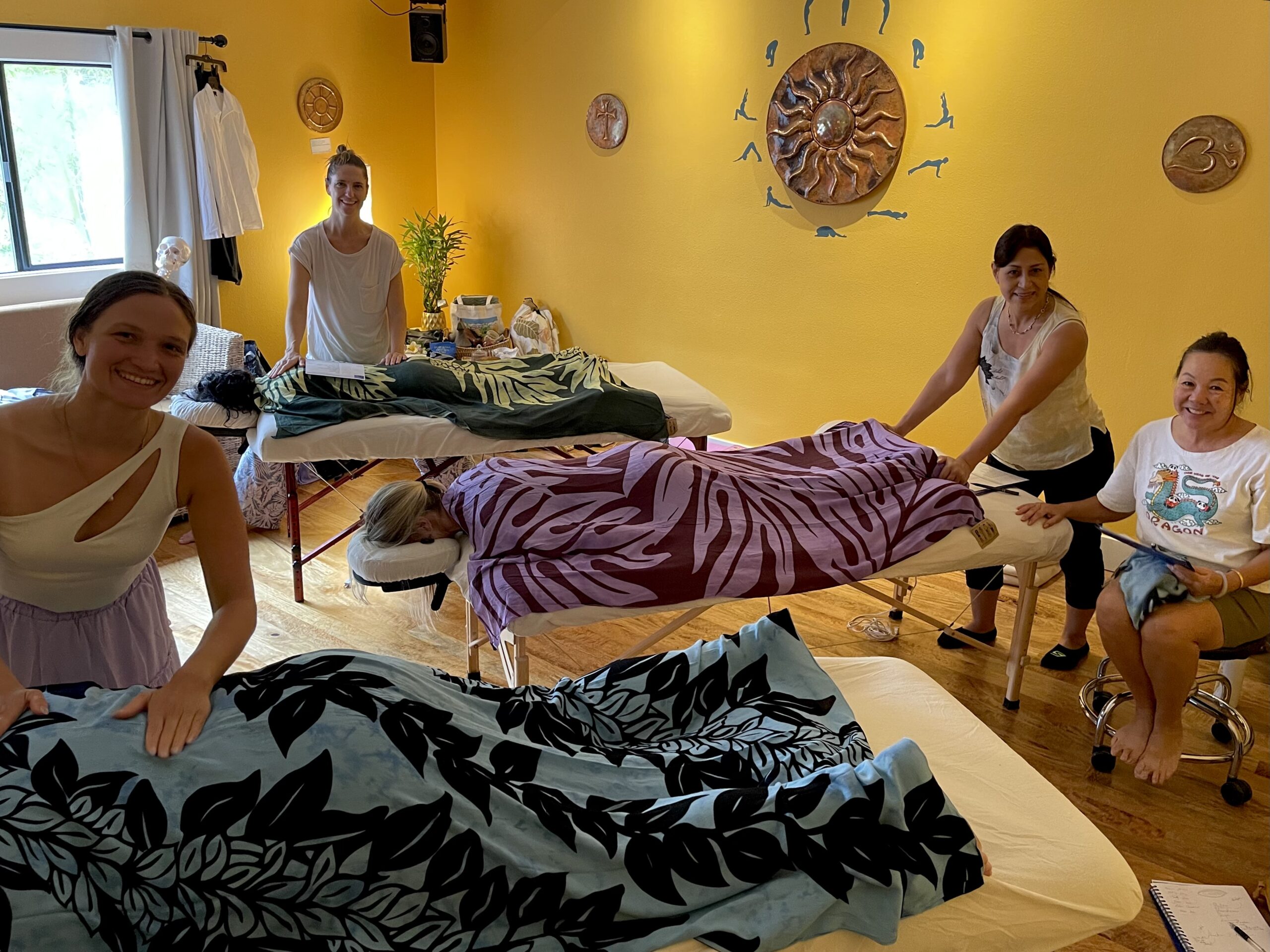
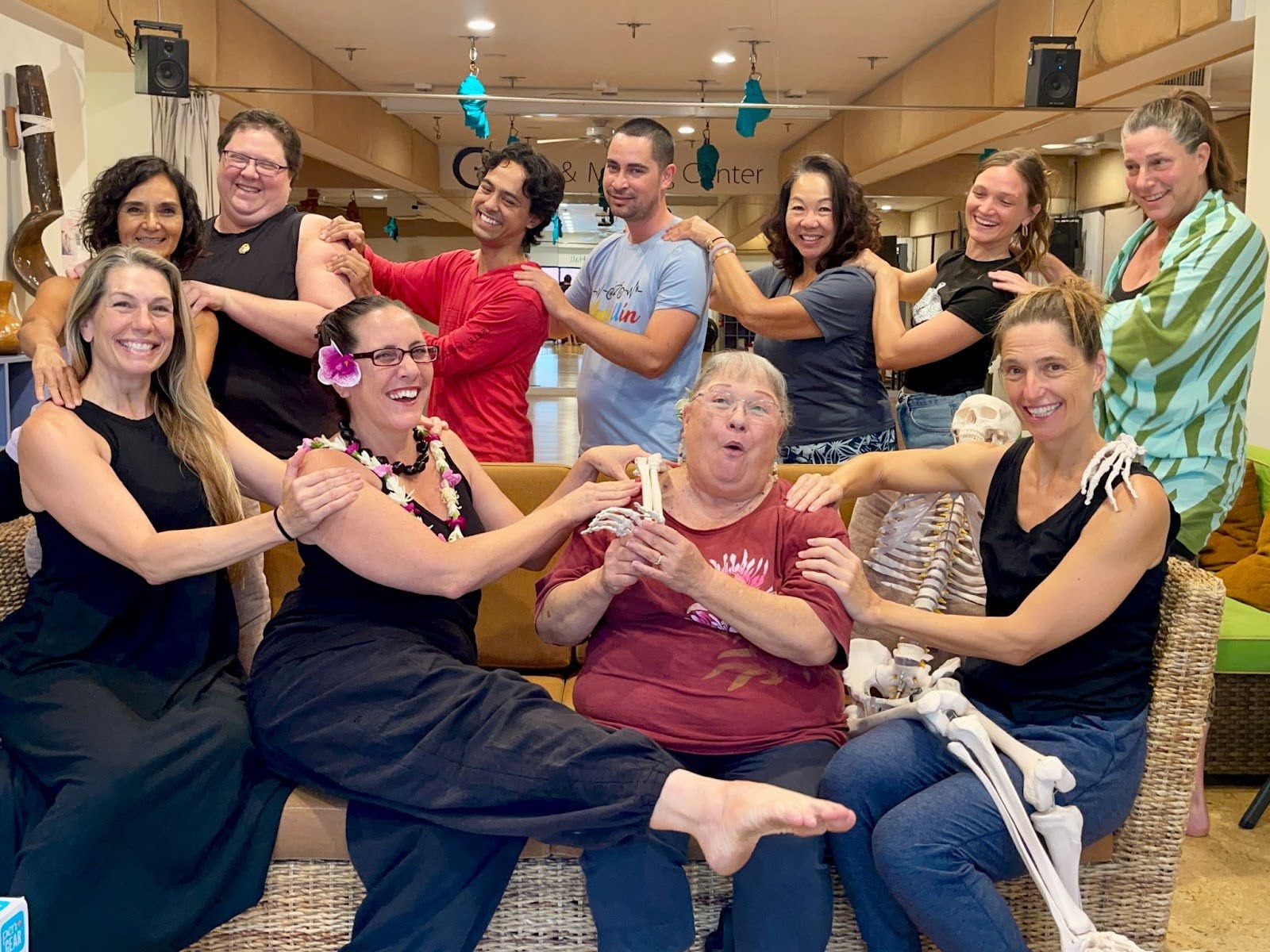
When I stepped into her recent Lomi training, I felt this legacy come alive. I expected to mainly learn massage techniques. Instead, I found a doorway into Hawaiian wisdom. Every lesson wove together movement, culture, and community, showing that Lomilomi is more than bodywork, it’s a way of connecting with life itself. Mālia guided us with such clarity and presence that the practice didn’t just stay in my head; it landed in my body.
Studying with Mālia brought me into a living lineage of care, nurtured and passed down by Hawaiian masters, elders, and teachers for generations. Whether you are a practitioner seeking to expand your skills or someone simply drawn to experience Lomilomi for the first time, her teachings open a pathway into something deeply grounding and profoundly human.
With aloha,
by Sharonne Gracia, thankful to research by Doris Morisaki


Get the Still & Moving App
This post is also available in: