


The Art of Leadership – Diwali 2025
By Rénee Tillotson
More than 10 years ago, when I first started working with my business coach Tony Bonnici, he suggested an approach to leadership that I’d never considered: “Your goal as a leader is to replace yourself.”
What? I thought my goal was to be the best leader I could be, setting an example of hard, ethical work, and encouraging everyone else to do their jobs well. I thought if I just got better, my businesses would get better, too. Well, that was true in its way, but Tony advocated that I create new leaders who are even better at doing everything that I do!
GOAL OF LEADERSHIP: TO CREATE NEW LEADERS, EVENTUALLY REPLACING ONESELF
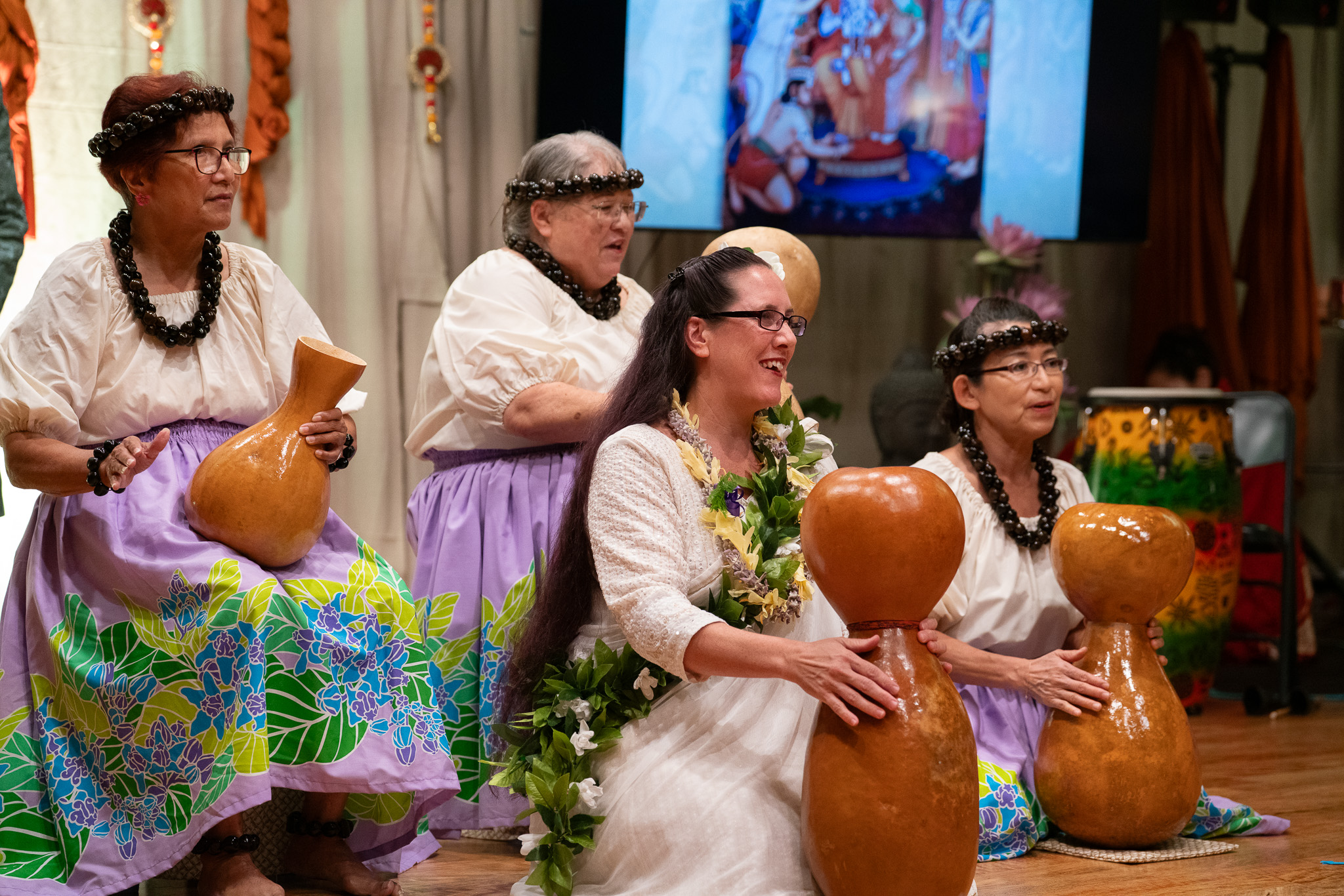
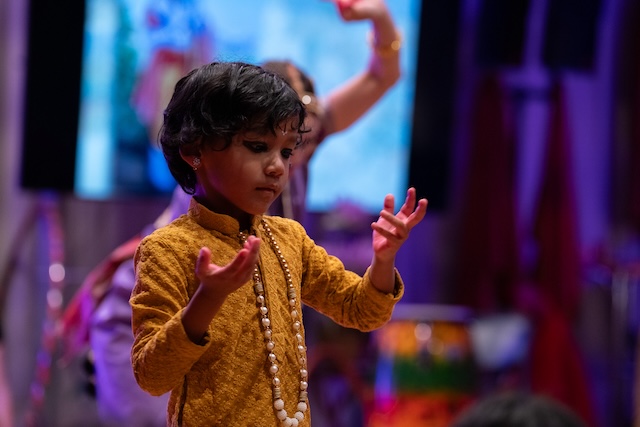
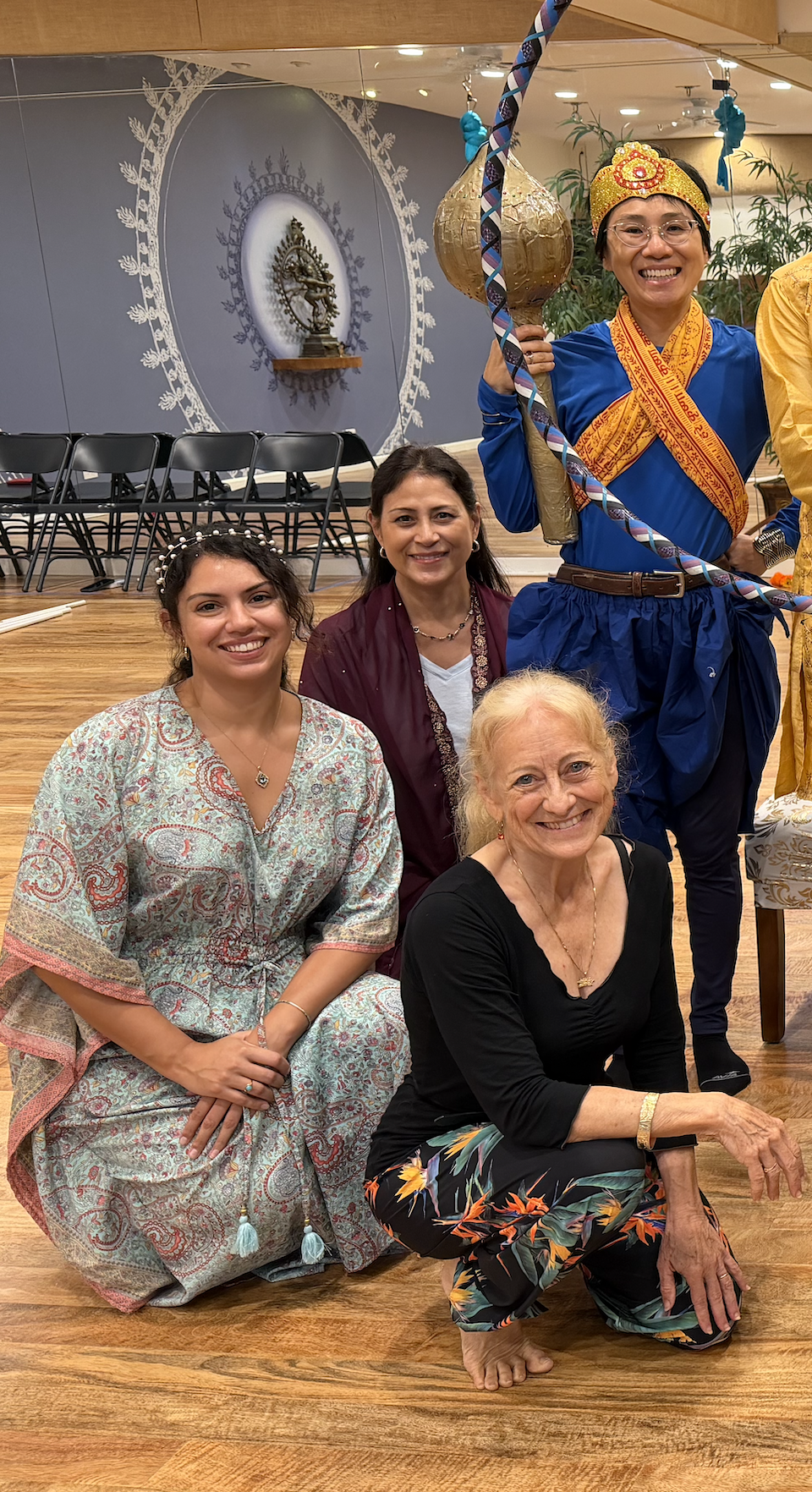
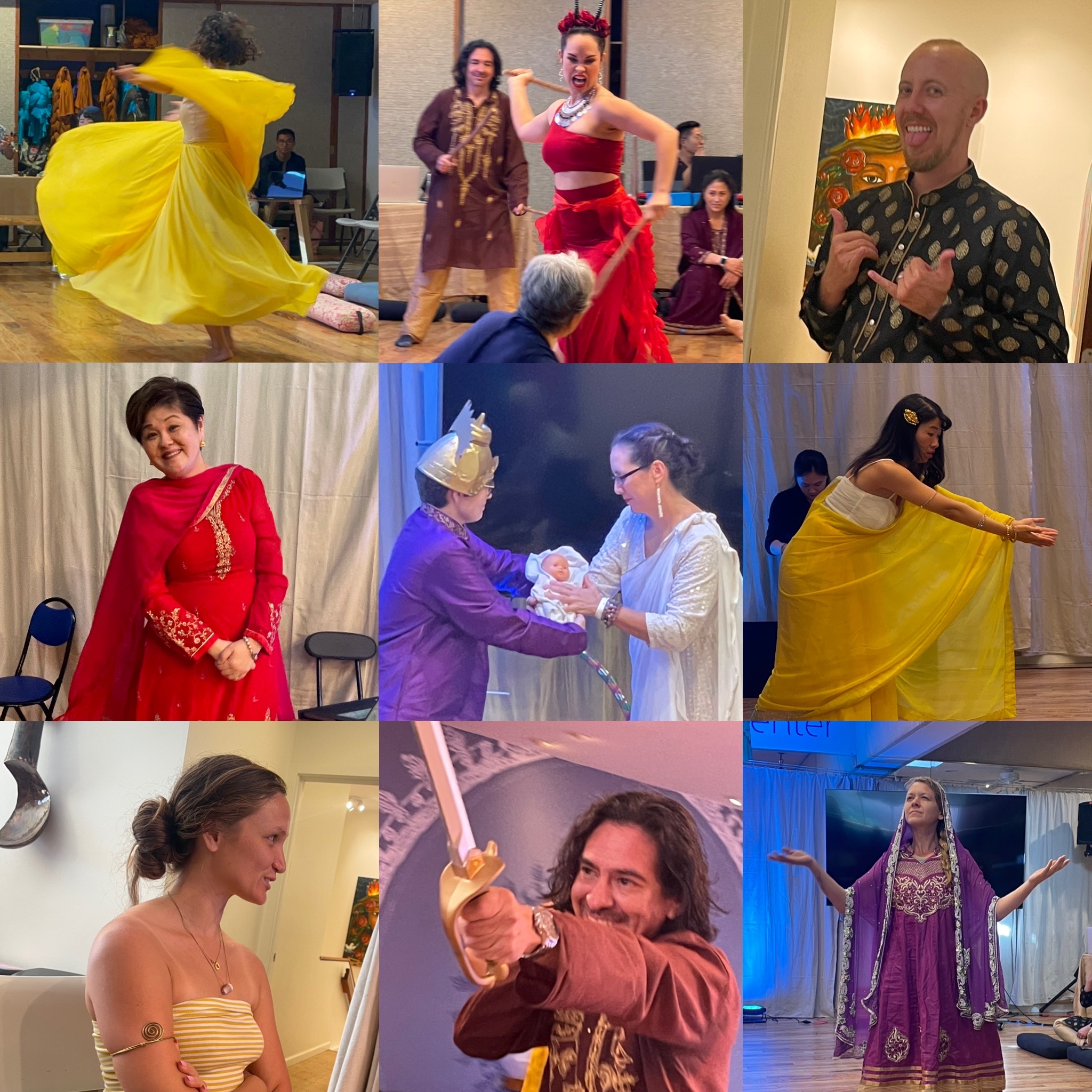
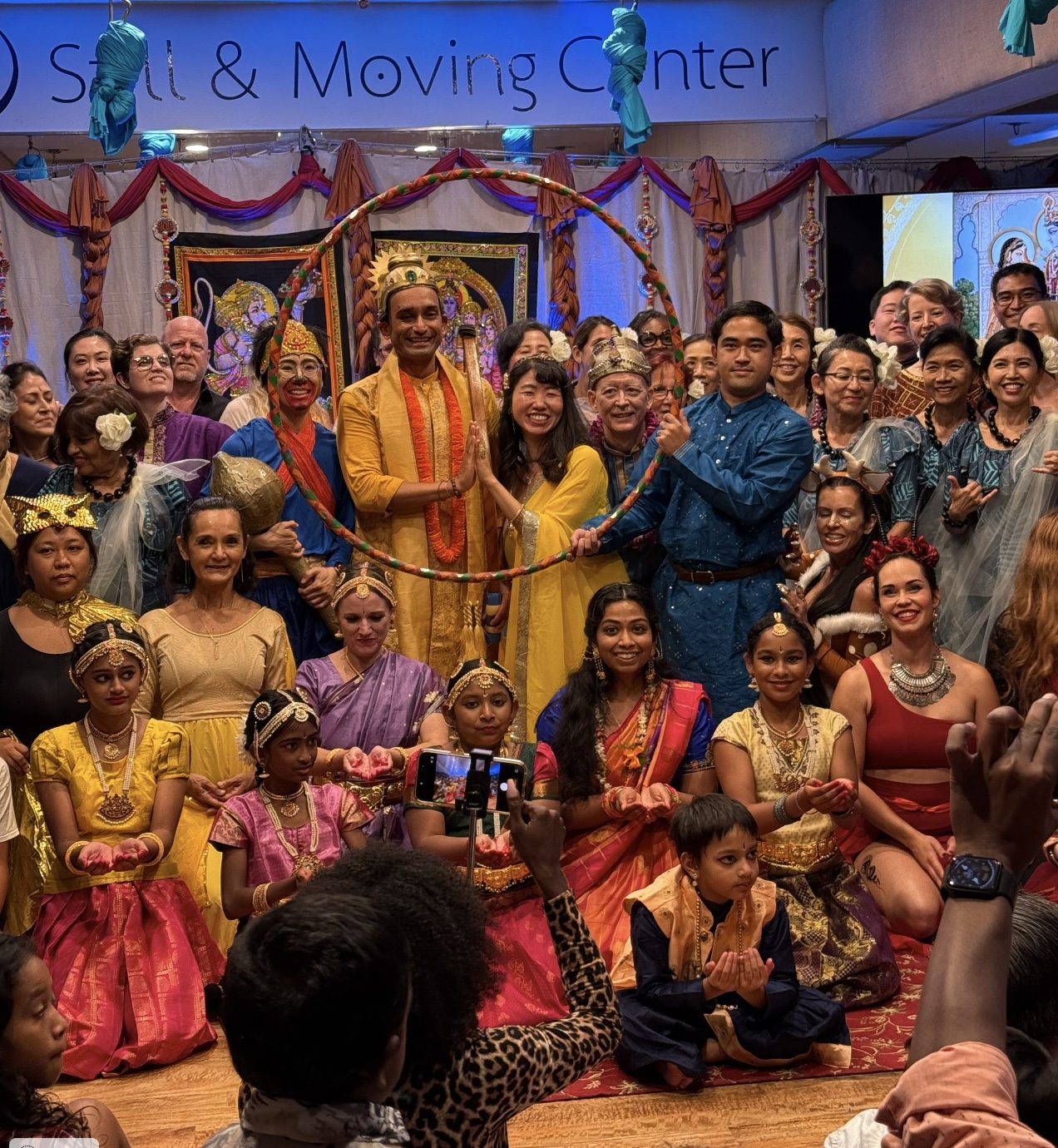
Our recent Diwali celebration proved the value of that advice. Many said it was our best Diwali ever! Our team made it a smashing success… without me.
Diwali is far and away our biggest event of the year, and certainly my very favorite. I probably cannot convey to you how much I love producing our enactment of the Ramayana epic. I’ve been telling the Ramayana story to family and friends at Diwali time since our kids were little, and directing folks at Still & Moving in a musical play format for more than a decade. That play is my baby.
Knowing that I had a chock-a-block autumn with more on my plate than I remember ever having, Tony recommended that I ask my narrator and assistant director, Doris Morisaki, to direct the Ramayana in my place. I had already re-written the script with new characters that I was looking forward to developing. Ohhh, that was a big ask for me. I felt so reluctant to give it up.
However, I believed that Doris’ years’ long, intimate experience with our Ramayana, together with the help of our talented General Manager, Dustin Hara, would enable her to pull it off. Better than me? Well, I didn’t know, but between the two of them, they would certainly do a decent job of it.
Marks of good leadership
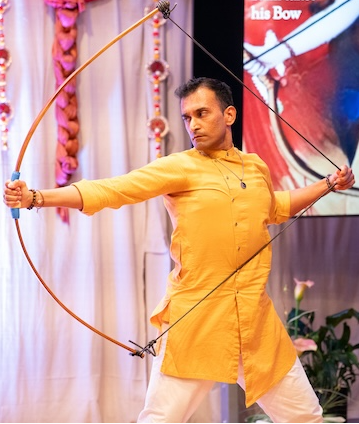
This year’s stunning Ramayana presentation proved Tony to be right. It also got me wondering, “What are the signs of a good leader?” As I pondered, I came up with seven marks that our team exemplified this Diwali. May I share those with you?
1. Clarity of vision
Why and how to proceed with the endeavor at hand – What are we to accomplish and by what means will we get there? If it’s a high and worthy endeavor, the means to achieve the goal must befit the end result. So clarity of vision has to do with the inherent heart value of the undertaking.
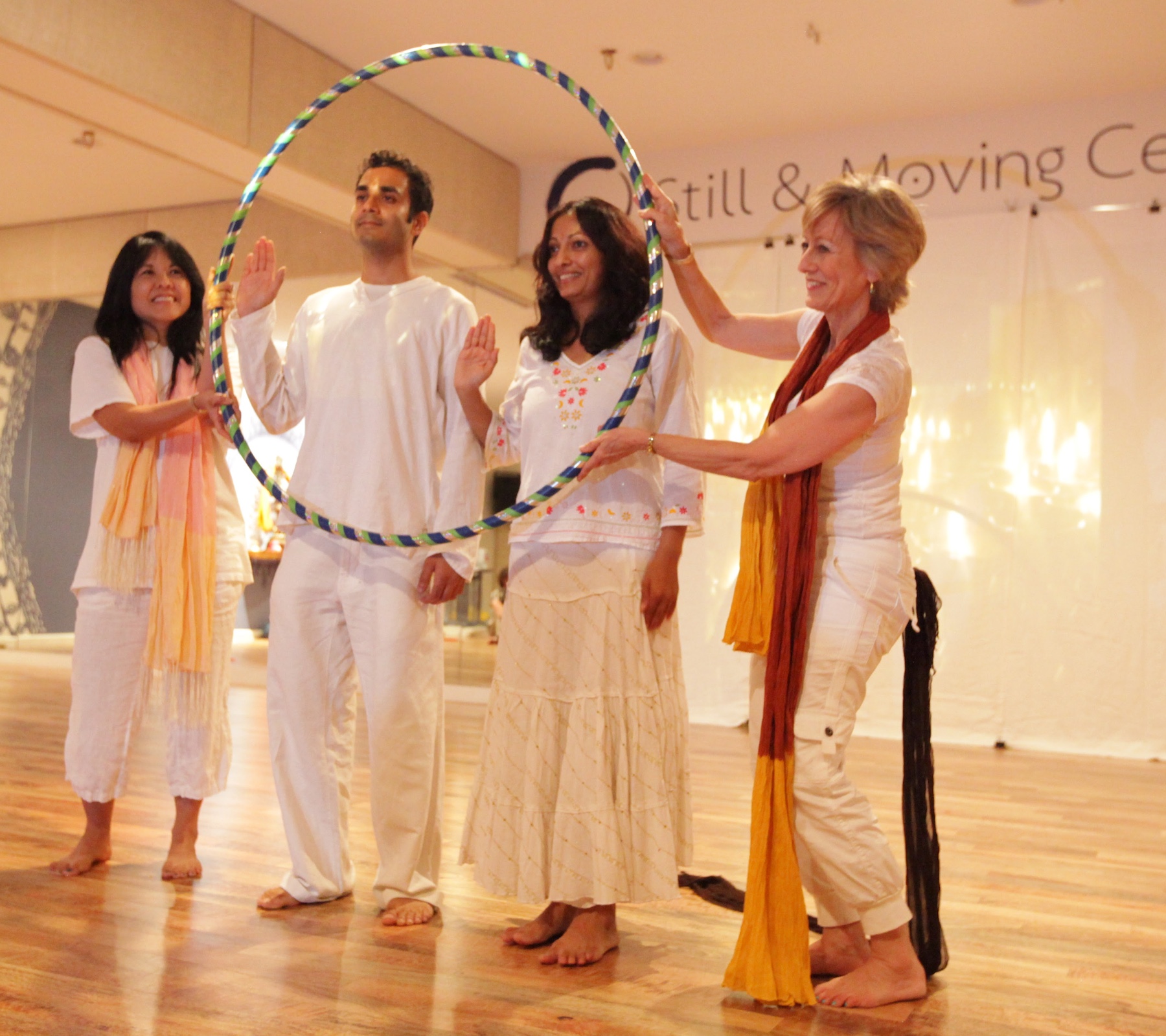
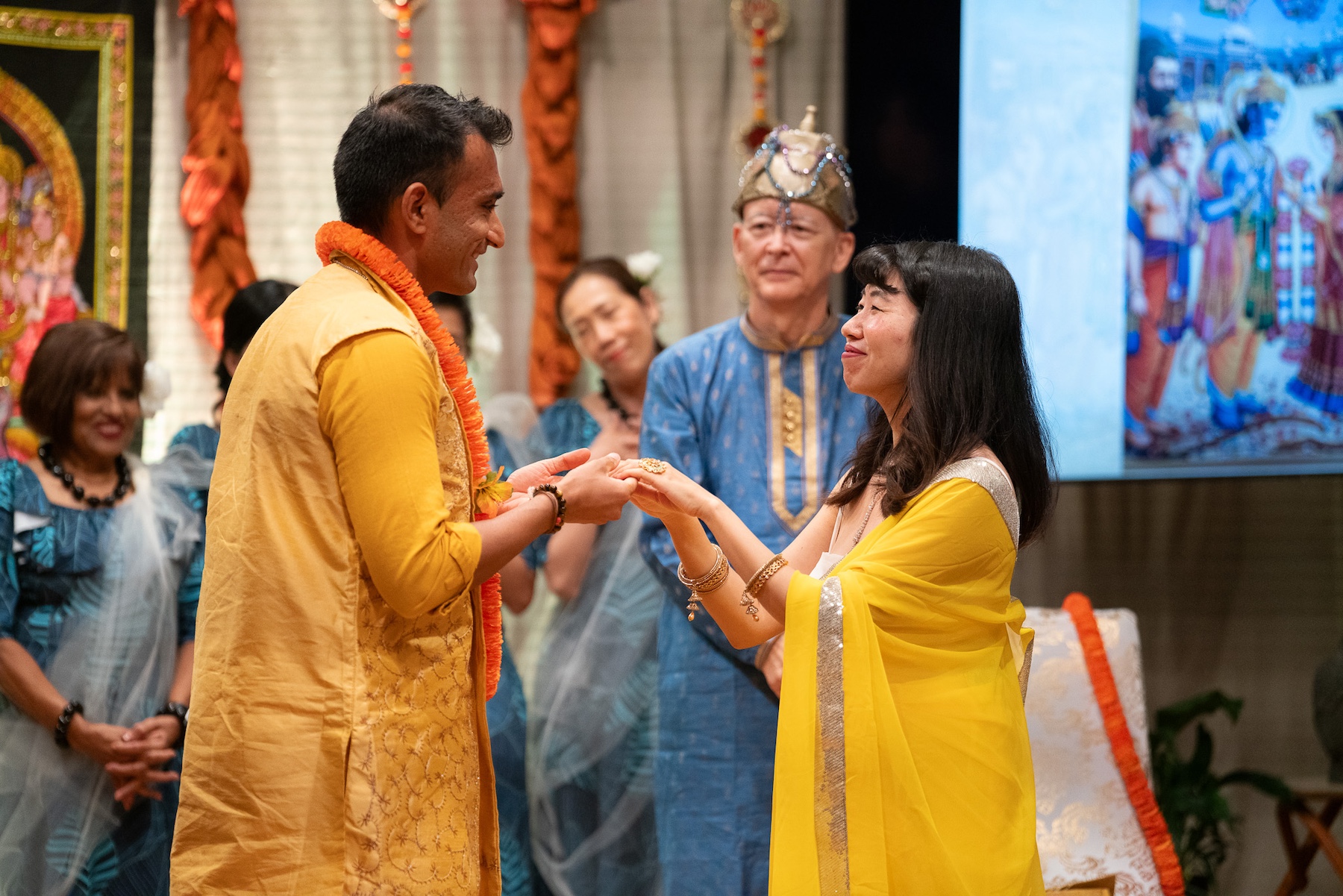
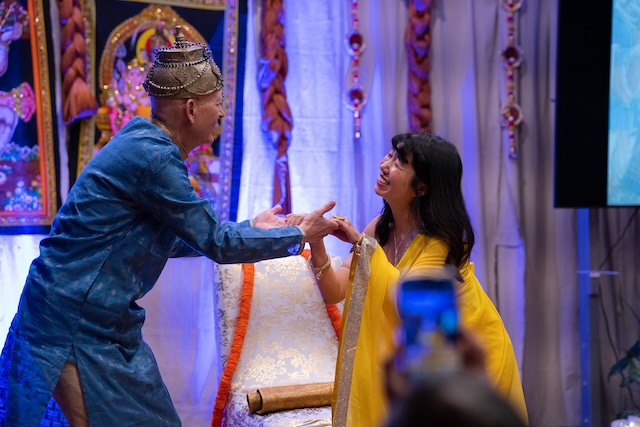
The way that Doris and Dustin went about finding cast members showed that they understood the heart of the story. They needed to find individuals to play Prince Ram and Princess Sita who could convey nobility and self-sacrificing resolve. Reading the story of Deeshen Shah and Jade Chan [link to Magnificence in our ‘Ohana in the letter and in WordPress] will convince you that our new Director and the General Manager had clarity of vision in making this key selection. Emulating the characters they were portraying, Deeshen and Jade threw themselves tirelessly into their parts, reading the original text and watching Indian films of the Ramayana. They overcame obstacles, as their story shows them doing. At the one early rehearsal I was able to attend, Jade’s long draped Indian sari continually threatened to unwind and trip her footsteps. (Never fear, we solved the costume issue after that rehearsal!) In the meantime, our budding Princess Sita valiantly did her best to walk with royal grace.
Doris and Dustin cast their lead actors well, showing a clear-sighted vision of the heart of the story they sought to portray.
2. Organization:
Planning in advance, setting up structures for success, and having foresight that allows one to stave off problems before they arise. This is a rather advanced level of leadership that requires lots of prior experience to be able to predict what might go wrong and to predict what might work better, given the particular nature of the endeavor and of the characters one frequently encounters along the way.
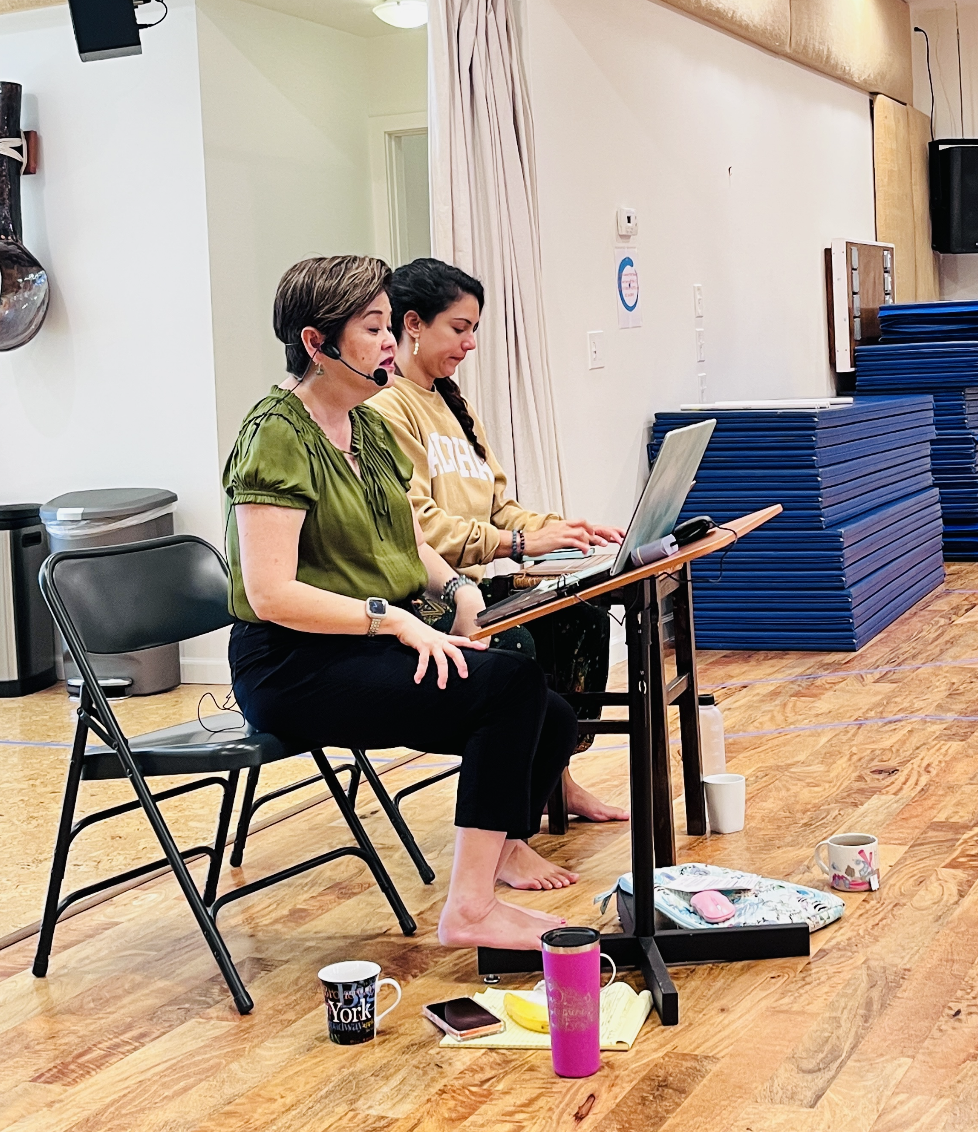
To produce a show with dozens of cast members, dancers, and martial arts performers, Doris and Dustin knew that one of the biggest buggaboos would be organizing rehearsal times. Everyone in the play is a volunteer, and everyone has a busy schedule of their own. They knew from experience that without a clear and comprehensive rehearsal schedule, they would never be able to prepare everyone for their performances. They managed to produce this complex schedule!
Also with the help of assistant director Tiffany Soriano, they created our first-ever cast handbook with character descriptions for people who had, in many cases, never seen the Ramayana story. Brilliant.
They also knew how long it takes to assemble all the “bits and pieces” to pull off a beautiful production. Doris was ordering gorgeous, shimmering costumes from India before she even knew for sure who would be wearing them – avoiding that last-minute scramble. Meanwhile, Dustin’s musical sidekick Mark Morisaki has spent the time since the last Diwali collecting a vast array of Foley materials, such as bubble wrap for a fire-cracking sound effect.
Setting up their entire studio and stage as a team a day in advance I don’t recall us ever doing before under my direction. Doris reports, “I found myself able to think clearly and feel rested and grounded prior to this year’s performance.”
Advanced planning wins the day for organized leaders.
3. Adaptability:
Being able to stay balanced on one’s feet – so to speak – in ever-changing circumstances. Like being able to stand at the helm of a ship at sea and make perpetual course corrections based on waves, winds, tides, and shifts in the crew, supplies, and equipment.
One of the uncertainty factors of finding volunteer actors lies in their inability or unwillingness to make a firm commitment in advance. All that a Director can go on sometimes is a “Yeah, maybe, that sounds kind of fun… if I have time.” As the rehearsal start date approaches, volunteers increasingly make commitments, yet sometimes reverse their decision when they comprehend the nature or scope of their role – like the dancer last year who knew she was going to be part of a sacred Indian story, but didn’t know we expected her to dance as a sassy, sizzling demoness!
Doris realized that she was going to be on shifting sands in terms of casting. How did she adapt? She kept her options open. She would tell people about two or three different roles for which she was considering them, waiting until she had a clear enough picture of who was really available, then casting the parts in time for rehearsals.
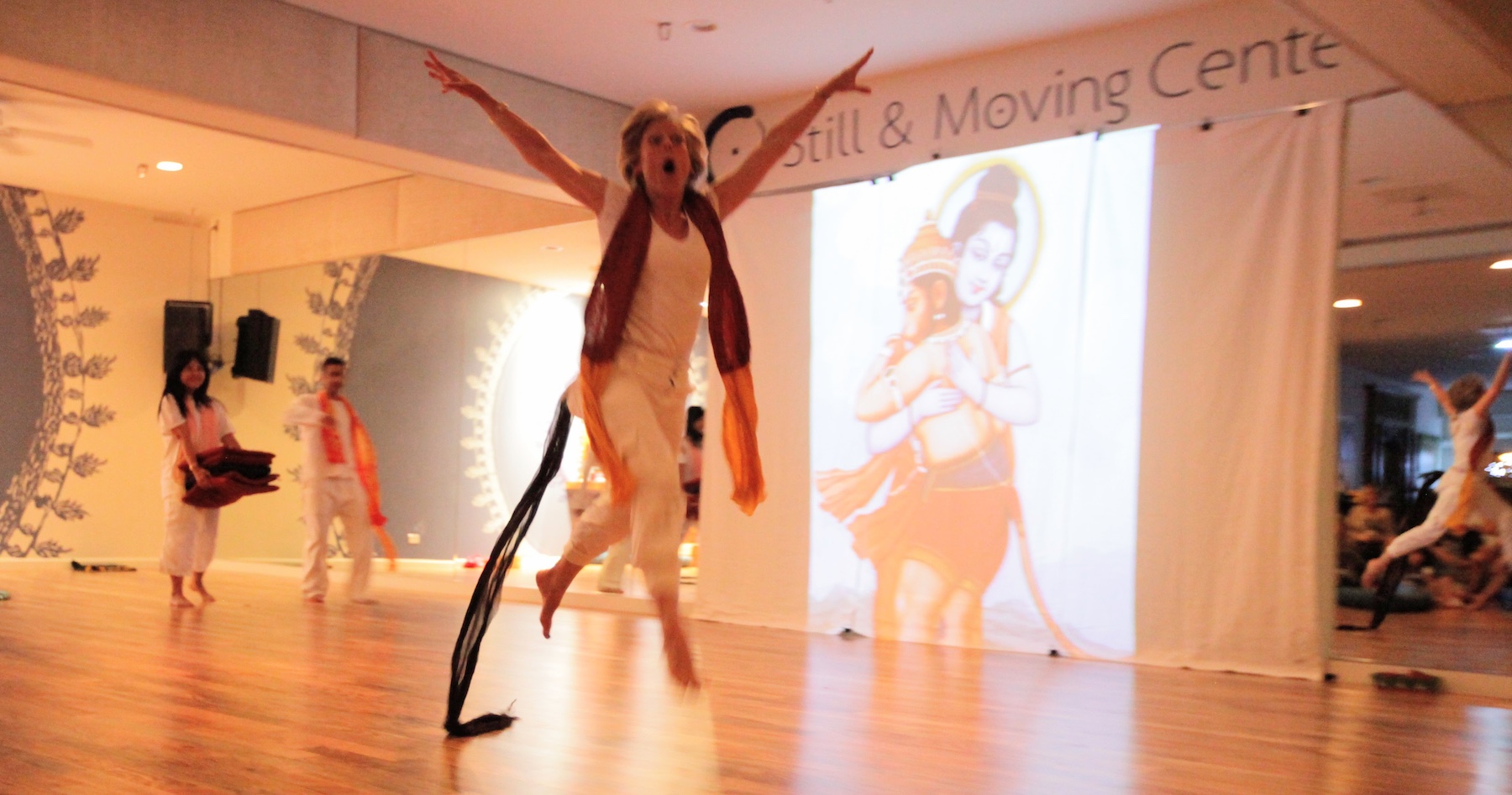
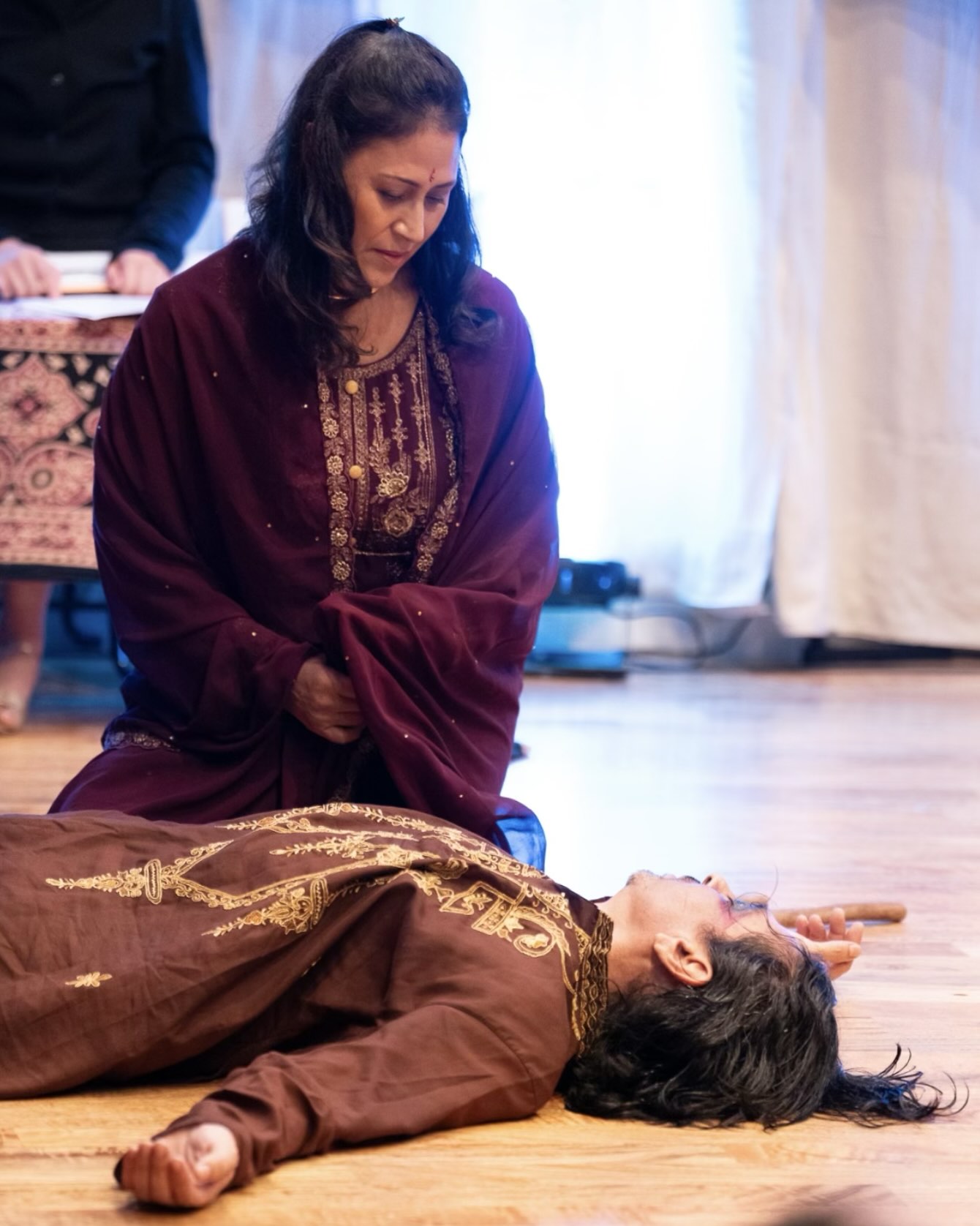
Some adaptations need to happen in an instant. During the performance, King Ravana “died” closer to center stage than expected, just as 11 hula dancers were entering to fill the stage. Seeing a problem in the making, Kumu Mālia and Doris locked eyes, Doris nodded, and Kumu performed the “funeral rites” early to lead the fallen king offstage, before rather than after the hula. As Doris explains, “Our intimate knowledge of the play allowed us to seamlessly make this course correction without anyone realizing it.”
Now, THAT is adaptability at its best!
4. Bringing out the Best in One’s Team:
Actively seeking each individual’s strengths and giving room for each individual to put those strengths to use. Also, looking at the overall needs to be filled and finding out who amongst the team can fill them, counter-balancing the various weaknesses (areas needing growth) with others’ talents and skills. It’s great but rare to have a team member perfectly fulfill all parts of their job from the beginning. A good leader can adapt job descriptions so that SOMEONE is addressing a specific need, even if it’s not the original team member expected to fill it. When a good leader makes these shifts diplomatically, it puts each team member in their best position to activate their creativity and shine the light of their own abilities.
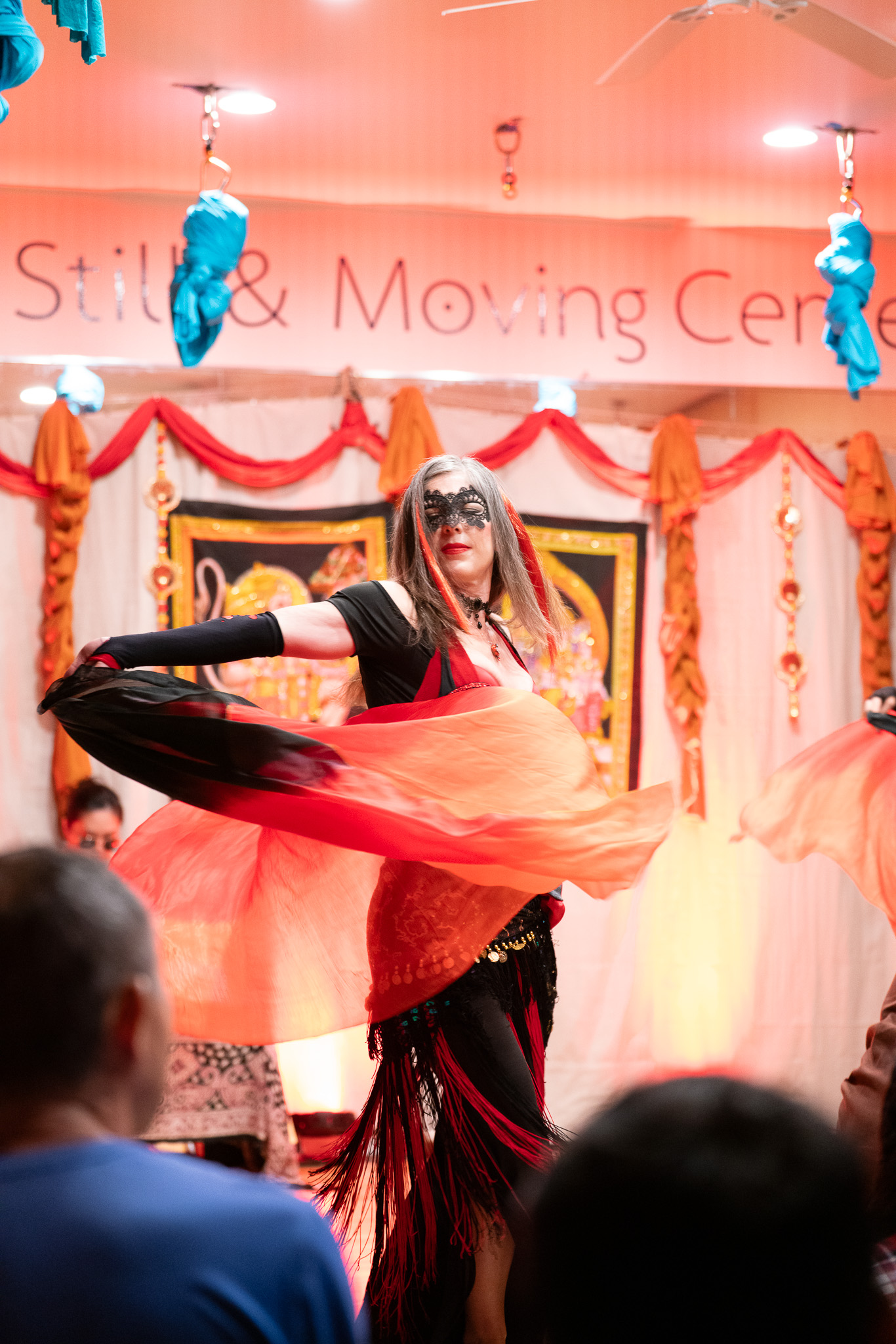
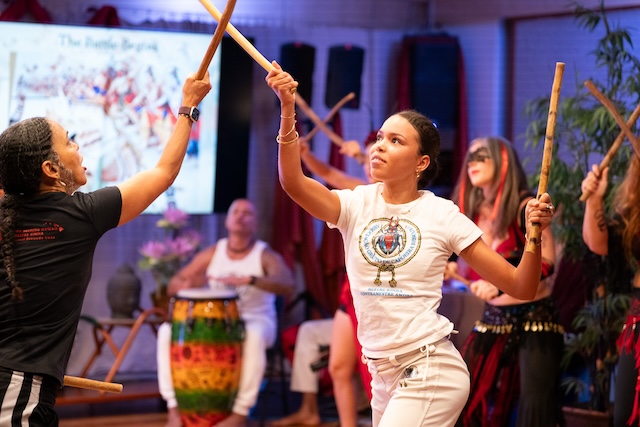
Doris’ continual adaptations in casting the Ramayana testify to her commitment to bring out the best in her team of performers. She was able to cast some characters with professional movement teachers and consummate performers, such as Andrea DeGruchy, who played the demon princess Shurpanakah, and much more! To accommodate Andrea’s costume changes between her hula, Bollywood, and veil dance scenes, not to mention her acting scenes and the capoeira battle scenes, Doris made script changes to allow Andrea to shine her brightest in as many spots as possible.
For many of our actors, this was their first Diwali ever and for some their first time on stage! Our studio acupuncturist, Dr. Antonio Provencio, who had never heard the epic and never watched anyone play the role of the demon king, still bravely agreed to play the part. All of our previous Ravanas have entered the stage with bombastic rage. Antonio is a healer by profession. That wasn’t his style. Tiffany, who has a good deal of acting experience herself, coached Antonio to bring forth a quietly sinister demon king. Several audience members – including my husband – said Antonio’s Ravana was actually scarier than some of the explosive royal bullies we’ve had in the past. Way to bring out the best in your team members, Doris and Tiffany!
Diana Wan, whom Dustin and Doris cast to play Hanuman, the monkey hero of the tale, is a local actress with Shakespeare experience who does improv comedy at our Still & Moving Center Open Mic Nights. To bring out Diana’s best, Doris simply let her self-direct with her pitch-perfect responses to every scene, so that each rehearsal allowed her to evolve her character, resulting in a playful, powerful, yet reverent Hanuman, perfect for the storyline.
As good leaders, Doris and Tiffany knew when to accommodate, when to guide and when to give great latitude to their various cast members so that each participant shone with their own light, with some spilling over enough light to illumine all the less experienced performers.
5. Delegation:
Having and showing the confidence to avoid trying to do everything oneself. A good leader maintains a distanced perspective of the work at hand. If one stays down in the trenches trying to dig every ditch oneself, one will never be able to accurately see the emerging needs and also the arising opportunities ahead. One delegates to extract oneself from some of the minutiae.
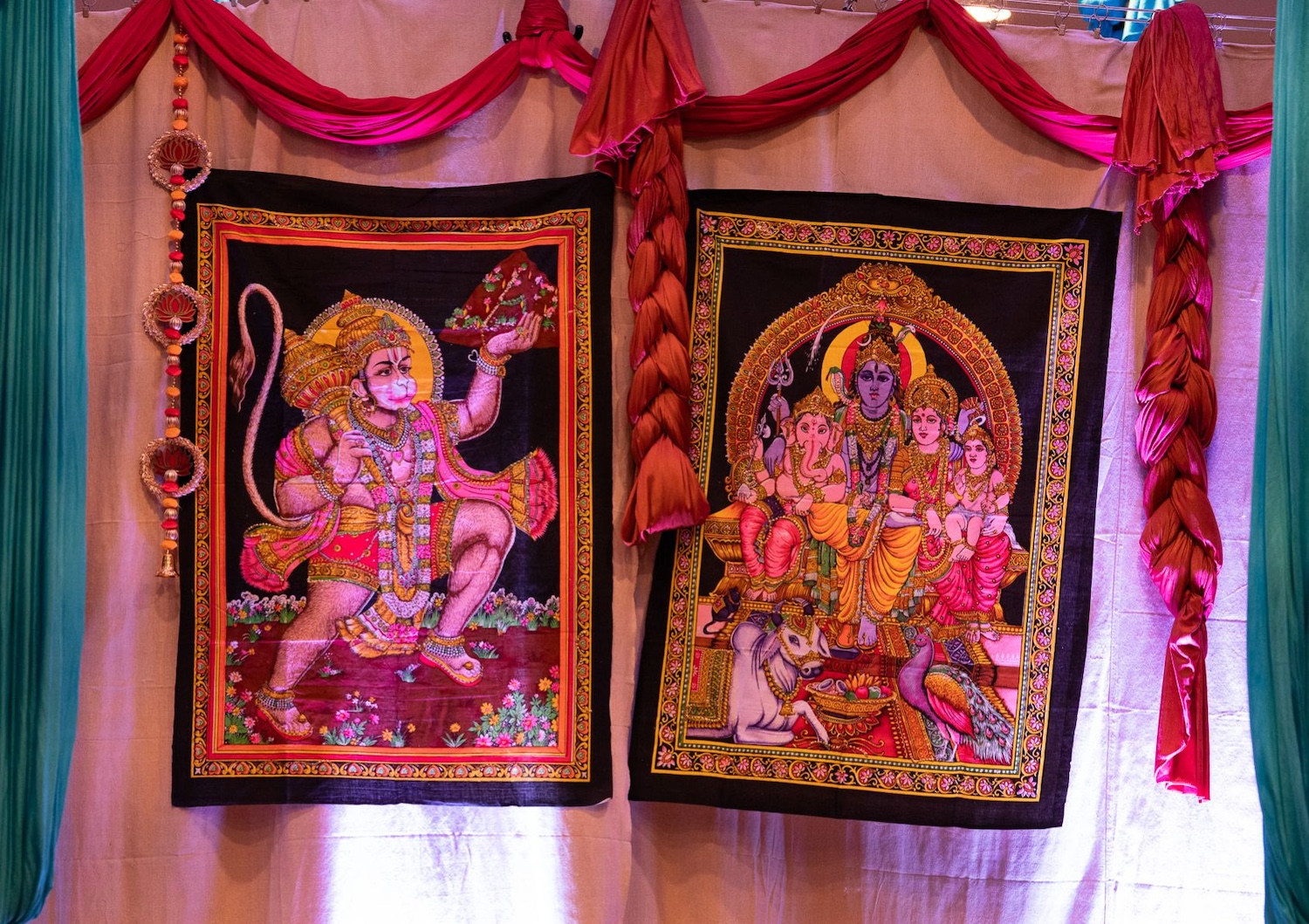
Dustin showed his excellent leadership when he assigned Tiffany Soriano to help manage the event, leveraging her project management skills and artistry. He largely delegated creating a set and downstairs decor to Tiffany, resulting in a seamless entry from Still & Moving Center’s front door, through the flower-filled lobby, up the garlanded, candle-lit stairway to the magical land of Ayodhya in ancient India. Dustin’s delegation allowed him to focus on his musical artistry: keyboarding, sound effects, and live singing “Imagine,” to accompany one of the dance performances. With Tiffany undertaking the stage manager role, Dustin even had time to add lighting effects he had never done before. Wow!
Doris was able to maintain her traditional role as Narrator of the Ramanya enactment by delegating a lot of the directorial responsibilities to Tiffany. While Doris narrated and tended the script during rehearsals, Tiffany was a second set of eyes, able to give acting and staging advice to cast members.
Tiffany herself assigned numerous tasks to others, including food delivery to the hungry cast and creation of a beautiful program for the show.
Dustin and Doris managed to delegate more successfully for Diwali than I’ve ever done – still recovering from an over-active Atlas complex, always thinking I can accomplish about three times more than is actually possible…. Unless I DELEGATE!
6. Communication with Kindness:
Checking in at frequent intervals to find out how all the team members are doing. Giving frequent updates to inform the team of progress, changing circumstances and upcoming challenges. Good communication requires two-way conversations. An effective leader has the kindness to really listen to team members and incorporate their input.
Doris stayed late at the Still & Moving Center lobby night after night leading up to the performance, checking up with cast members and with the teachers preparing the dance, aerial, and capoeira performances with their students. She encouraged them, listened to what they were having trouble with, helped them with their questions and costumes, and kept them informed of any changes. She thoughtfully asked about the performers’ timing needs in setting the original schedule.
Tiffany maintained consistent communication with Doris and Dustin – via text and in-person updates – to relay team feedback, emerging ideas, and key reminders. Weekly check-ins with each other ensured alignment, addressing gaps promptly, and proactively managing risks.
Tiffany also manhandled our rigorous schedule, making sure everyone involved knew what they were supposed to do when. This regularity led to a smooth itinerary for performance day and a relatively stress-free performance.
Our leaders’ kind communication skills allowed the cast to feel listened to and well supported, beginning to end.
7. Consultation:
Having the humility and openness to seek outside guidance, remembering that people are always available who could give a fresh perspective or greater expertise/experience in a particular area. The good leader then integrates the pertinent parts of that perspective or guidance into their own vision for furthering the endeavor.
Doris checked in with me along the way to ensure that we secured a wonderful set of cast members this year. Dustin conferred with me months in advance about the many dance series we were running to prepare for Diwali performances. When she couldn’t see her way through the brand new battle scene we were setting with our newly acquired capoeira teachers, Doris called me in to watch an early rehearsal and talk through staging possibilities.
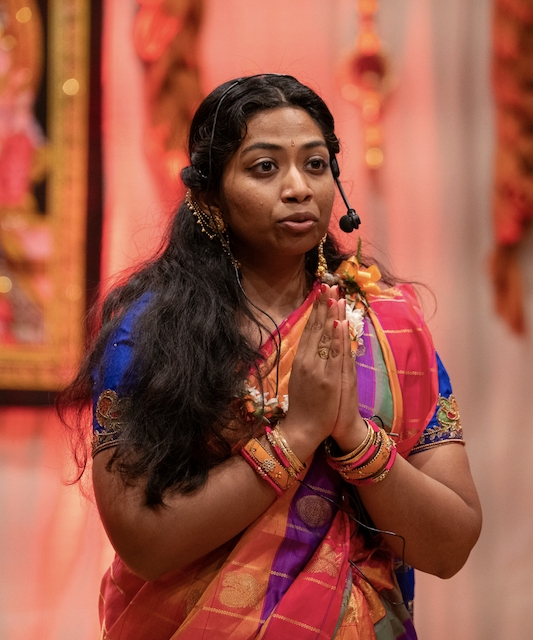
As I have done in past productions, Doris relied on our Indian members of the cast – Jananani Lakshmanan and Deeshen Shah this year – for cultural insight. Rather than risk doing something culturally insensitive, she consulted with them about some of the fine details, allowing them to make suggestions as they saw fit along the way.
To produce this culturally daring show – integrating Hawaiian hula, Brazilian capoeira, Argentine tango, and contemporary dance into an ancient, classic epic of India – requires lots of consultation. And Doris actively sought such advice… as a good leader.
8. Results of Good Leadership
As it turned out, I was called off island and suffered the enormous disappointment of not even being able to watch this favorite yearly event of mine that I had placed into others’ hands for safekeeping. And they led their team to glory!
• Team spirit – camaraderie, volunteerism, creative initiative
With spirits of generosity, our in-house volunteers welcomed our audience, got them seated, handed out programs, candles, snacks, drinks and dessert. Doris’ husband Mark Morisaki spent the time since the last Diwali collecting a vast array of Foley materials, such as bubble wrap for a fire-cracking sound effect. Dustin and Doris dexterously wove experienced performers in with newcomers to the stage, making for a marvelously integrated whole. Their team got along fabulously, leaving all the drama on the stage, rather than behind the curtain!!!
• Accomplishing an envisioned goal
Due to time constraints of various cast members, Doris and Dustin’s rehearsal window shrank from the original four week schedule down to three. Nevertheless, in the face of that setback, their stong collaboration, coordination and effective leadership resulted in an outstanding enactment of the Ramayana.
• Effect on the target audience
By the time I returned, I’d already been showered with texts, photos and video clips of the wonderful Diwali I had missed. A person who had watched the show came up to our Prince Ram and Princess Sita with tears running down his cheeks, he was so moved by their performances. Audience members came up to me the next week saying that they were telling all their friends to put the Still & Moving Center Diwali on their calendars for next year. Several students told Doris and me to put their names on the list of performers for next year. My husband reported that they hit this year’s Ramanyana play out of the ballpark! And most importantly, every participant in the event that I talked to was still glowing with the radiance of what they had collectively created. Full success!
Summarizing the Goal: Self-Perpetuating Leadership
As I write, I’m recognizing how my confidence in my own abilities, my willingness to work hard, and my strong desire to get things right – all of which can be positive qualities – nevertheless contributed to a somewhat Atlas-like approach to leadership. That kind of leadership both exhausts the leader and limits the organization’s ability to grow and evolve.
Now that I think about it within the context of the Ramayana story, any good monarch is trying to come up with an heir to replace him or herself. They want an heir even stronger and more effective than they are for the good of their land. Through a lot of trial and heartache, Prince Ram’s father eventually succeeded in replacing himself on the throne with just such a noble son! Wouldn’t it be a wonderful goal for today’s elected leaders to grow new leaders even better and wiser than themselves?!? Hmmm… a thought to ponder.
I received Tony’s leadership advice about a decade ago, took my time letting it sink in, and eventually began attempting to create new leaders in my place. I think my efforts have attracted to Still & Moving the kind of individuals it would need for the future. The effort to eventually replace oneself requires a lot of personal-pride-busting along the way, I must say. I’m certainly not done yet. However, the results thus far have given me so much more genuine pride in our whole team at Still & Moving Center that I’m bursting my buttons!
Meanwhile, their leadership is freeing me up to move onto other Still & Moving Center initiatives and Academy of Mindful Movement projects!!!










Renée Tillotson
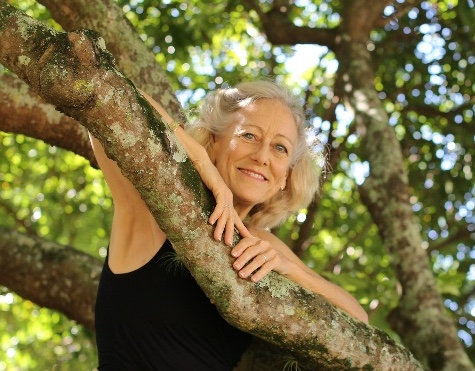
Renée Tillotson, Director, founded Still & Moving Center to share mindful movement arts from around the globe. Her inspiration comes from the Joy and moving meditation she experiences in the practice of Nia, and from the lifelong learning she’s gained at the Institute of World Culture in Santa Barbara, California. Engaged in a life-long spiritual quest, Renée assembles the Still & Moving Center Almanac each year, filled with inspirational quotes by everyone from the Dalai Lama to Dolly Parton. Still & Moving Center aspires to serve the community, support the Earth and its creatures, and always be filled with laughter and friendship!
Get the Still & Moving App
This post is also available in: